Author: Jim Carr

Teaching at the Ankle Arthritis Academy 2026

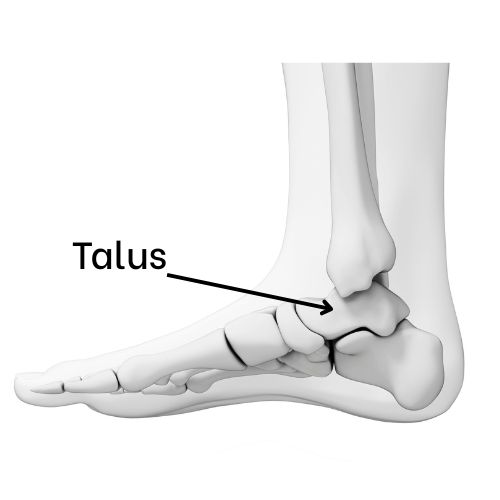
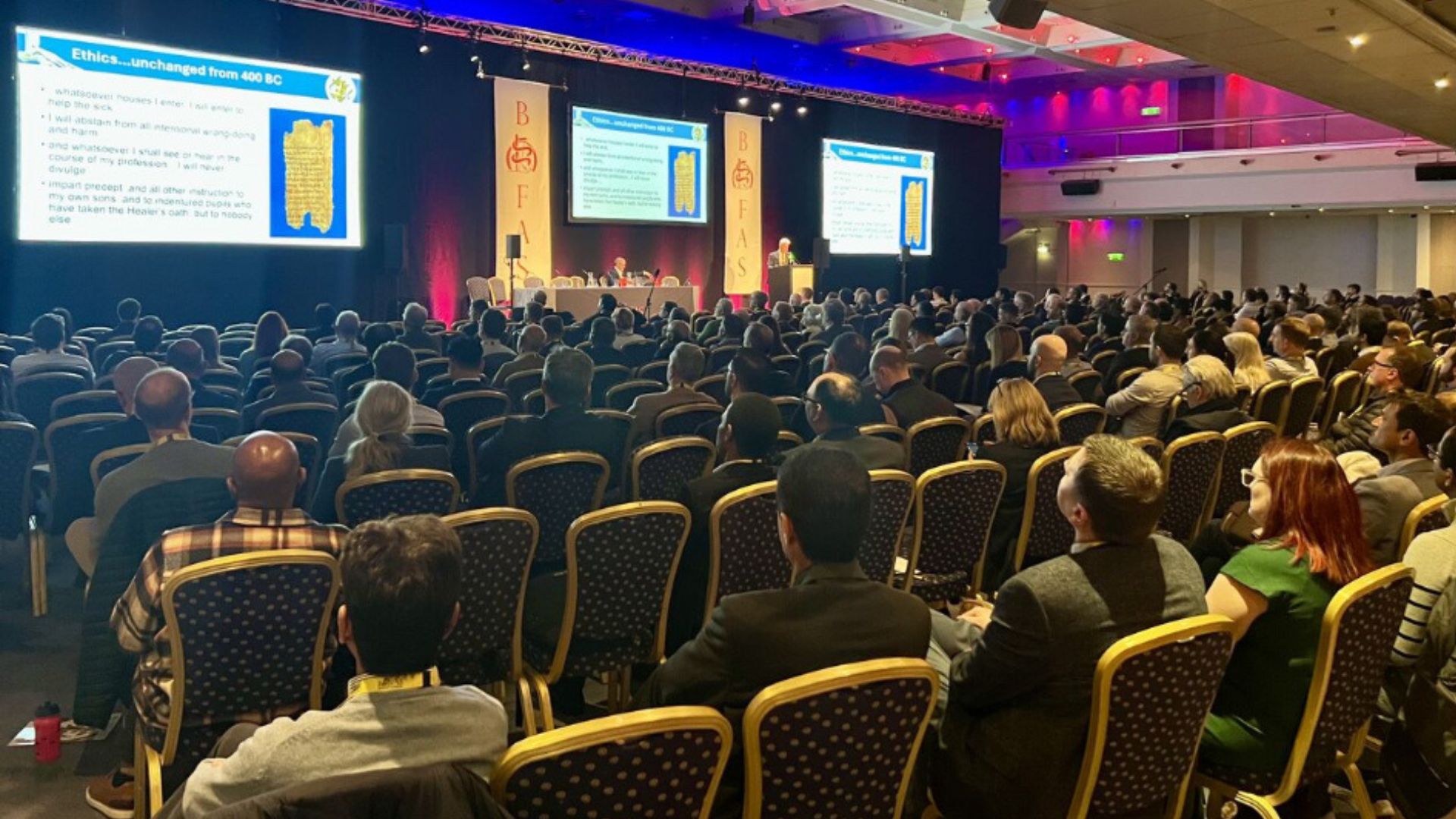
Mr Mark Farndon recently spoke at the Ankle Arthritis Academy 2026, held at the Hilton Newcastle Gateshead on 9 and 10 June. The two-day meeting brought together experienced UK and international foot and ankle surgeons to discuss the assessment and treatment of ankle arthritis. The programme covered early arthritis, osteochondral injuries, complex ankle fusion, total ankle replacement and revision surgery. Mark’s presentation, “My strategy for the large (20mm) OCD”, formed part of the opening session on decision-making and early ankle osteoarthritis. What is an osteochondral defect of the ankle? An osteochondral defect, sometimes called an osteochondral lesion or OCD, is an area of damage involving the cartilage and underlying bone within the ankle joint. These injuries most commonly affect the talus, one of the main bones forming the ankle. They may develop following an ankle sprain or other injury, although some patients cannot recall a single event that caused the problem. Symptoms can include:
  • Persistent pain deep within the ankle
  • Swelling after walking or exercise
  • Stiffness or reduced movement
  • Clicking, catching or locking
  • Difficulty returning to sport or normal activity
Small lesions may sometimes be managed without surgery. Larger osteochondral defects can be more difficult to treat, particularly when both the cartilage and the bone beneath it have been significantly damaged. Why does the size of the lesion matter? The size, depth and location of an osteochondral lesion can influence the treatment options available. A large lesion measuring around 20mm presents different challenges from a small, contained area of cartilage damage. Treatment decisions may also depend on the condition of the surrounding cartilage, the quality of the underlying bone, previous surgery and whether ankle arthritis is already developing. In his presentation, Mark discussed his approach to assessing these larger lesions and selecting an appropriate treatment strategy. The aim is not simply to treat an MRI or scan finding. The patient’s symptoms, activity levels, previous injuries and expectations all need to be considered before deciding whether surgery is appropriate. Treatment options for a large ankle cartilage injury There is no single operation that is suitable for every osteochondral defect. Depending on the findings, treatment may involve:
  • Removing unstable or damaged tissue from the joint
  • Stimulating the underlying bone to encourage a healing response
  • Bone grafting where there is a deeper defect or cyst
  • Cartilage restoration or transplantation techniques
  • Correcting ankle alignment or instability contributing to the problem
  • Treating established ankle arthritis where joint preservation is no longer realistic
Some patients may also benefit from physiotherapy, activity modification, pain relief, bracing or injection treatments before surgery is considered. The most suitable approach depends on the individual ankle rather than the lesion size alone. Ankle arthritis and joint-preserving treatment Osteochondral damage can contribute to ankle pain and, in some cases, the later development of arthritis. When possible, treatment in a younger or active patient may focus on preserving the ankle joint. This can involve addressing cartilage damage alongside other problems such as instability, poor alignment or previous fracture deformity. However, joint-preserving surgery is not suitable in every case. Where arthritis is more advanced, other options such as ankle fusion or total ankle replacement may need to be discussed. A careful assessment helps establish whether the main source of pain is a localised cartilage lesion, more widespread arthritis or a combination of problems. Sharing experience at the Ankle Arthritis Academy The Ankle Arthritis Academy was designed around practical decision-making, case discussion and the challenges surgeons encounter in everyday practice. Alongside Mark’s presentation, the opening session considered ankle arthritis networks, joint distraction and patient selection for total ankle replacement. The wider programme covered complex fusion surgery, large bone defects, primary ankle replacement and revision procedures. Meetings of this kind allow surgeons to compare different approaches, discuss difficult cases and review how treatment can be improved for patients with ankle cartilage damage and arthritis. Assessment of persistent ankle pain Persistent ankle pain following an injury should not always be dismissed as a slow recovery from a sprain. Further assessment may be appropriate when pain, swelling or catching continues despite rest and rehabilitation. This will usually include a clinical examination and weight-bearing X-rays. An MRI or CT scan may also be recommended when an osteochondral lesion is suspected. Mr Mark Farndon assesses patients with ankle pain, cartilage injuries and ankle arthritis. Following an examination and review of the relevant scans, he can explain the available non-surgical and surgical treatment options.

Partial Knee Replacement Expertise at the Harrogate Partial Knee Meeting 2026

In May, Mark was delighted to speak at the third annual Harrogate Partial Knee Meeting, held at the Pavilions of Harrogate. The two-day event brought together experienced knee surgeons from across the UK and overseas to discuss current practice in partial knee replacement surgery. The programme covered patient selection, surgical techniques, imaging, rehabilitation, complications and the safe development of a partial knee replacement service. Mark’s talk formed part of the final session, which focused on how surgeons can start or increase their use of partial knee replacement. I spoke about the surgeon profile needed to develop a successful unicompartmental knee replacement practice. What is a partial knee replacement? The knee is divided into three main compartments:
  • The medial compartment, on the inside of the knee
  • The lateral compartment, on the outside of the knee
  • The patellofemoral compartment, between the kneecap and thigh bone
In some patients, arthritis is largely confined to one of these areas. When the remainder of the knee is still healthy, it may be possible to replace only the damaged part rather than performing a total knee replacement. This is known as a partial knee replacement, or unicompartmental knee arthroplasty, often shortened to UKA. Because the healthy cartilage, bone and ligaments are preserved, a partial knee replacement can provide a knee that feels more natural and retains good movement. However, it is not suitable for everyone. Careful examination, appropriate X-rays and good patient selection are essential. Developing a successful partial knee replacement practice Partial knee replacement is a technically demanding operation. Success involves more than learning the surgical steps. Surgeons need to understand which patients are most likely to benefit, recognise when arthritis has spread too far for a partial replacement and select the appropriate procedure for the area of the knee involved. The surgeon also needs the right training, support and commitment to reviewing their results. Regularly performing the procedure and working within an experienced multidisciplinary team can help establish consistent pathways before, during and after surgery. Mark’s presentation considered the qualities and working practices that support this, including:
  • A clear understanding of the indications for partial knee replacement
  • Careful and consistent patient assessment
  • Appropriate surgical training and ongoing development
  • Honest discussion with patients about their options
  • Close working with radiologists, anaesthetists, physiotherapists and the wider surgical team
  • Regular review of outcomes and national joint replacement data
  • The aim should never simply be to perform more partial knee replacements. It is to identify the patients for whom preserving the unaffected parts of the knee may offer a genuine advantage.
Why specialist educational meetings matter The Harrogate meeting is designed to encourage practical and open discussion rather than presenting only straightforward or ideal cases. During the event, surgeons discussed difficult decisions, complications, unsuccessful cases and the lessons that can be taken from them. The programme also included sessions on medial and lateral partial knee replacement, patellofemoral replacement, day-case surgery, imaging and technology-assisted surgery. This type of education is important because partial knee replacement depends on sound judgement as much as technical ability. Sharing experience between surgeons helps improve how patients are assessed and treated. Mark found the event an absolute pleasure to contribute to, alongside colleagues from the Harrogate knee team and a wider national and international faculty. Could a partial knee replacement be suitable for you? A partial knee replacement may be considered when:
  • Arthritis is mainly limited to one part of the knee
  • Knee pain is affecting walking, exercise, work or everyday life
  • Non-surgical treatments are no longer providing enough relief
  • The ligaments and unaffected areas of the knee remain suitable for preservation
  • Some patients will be better treated with a total knee replacement, while others may not yet require surgery. The decision should be based on your symptoms, examination, imaging and personal goals rather than an X-ray alone.
Mr Mark Farndon assesses and treats patients with knee arthritis in Harrogate and Leeds. Following a detailed assessment, he can explain whether non-surgical treatment, partial knee replacement or total knee replacement may be the most appropriate option.

Lee Dunn, Total Ankle Replacement

Lee Dunn’s Total Ankle Replacement

Lee Dunn, a patient of Mark’s, kinldy gave his time to record his story following a successful total ankle replacement with Mark.

You can read the transcription from the video below. 

“Hello, my name is Lee Dunn, and I’m just heading to Sandwell Golf Club for a round of golf, three and a half months after total ankle replacement surgery.

I’m 67 and have played both rugby and cricket to a relatively high standard.

I originally broke my ankle in the Yorkshire Cup at Headingley, alongside a few other injuries, quite a long time ago.

“Then, around two and a half years ago, I fell downstairs at my sister’s 60th birthday in Toronto, clattering my heel on the steps as I went down.

Initially, everything seemed fine, but about six months later, the pain in my right ankle started to get worse, and I sought treatment through the NHS.

I had physiotherapy, insoles and injections, but by 2026 I was struggling to complete a round of golf. After returning from a holiday in New Zealand, I realised I needed to seriously consider surgery.

I investigated both ankle replacement and ankle fusion, and then looked into treatment with Mr Mark Farndon, using the Prophecy Infinity Total Ankle Replacement system. I had my operation in January this year, and I am delighted with the outcome.

I have also been surprised by the speed of my recovery, although I have been very committed to my rehabilitation and have put the hours into physiotherapy. Huge thanks to Maria Bernadette at Relief Sports Injury Clinic, and I continue to work on my rehab to this day.

I can now play golf again, albeit with a buggy. I can walk normally and cycle. It is still a little sore if I push it, and I do tend to push it quite a bit, but I am continuing with the rehab and will keep doing so. This weekend, I’m heading off to Great Malvern for a walking weekend. It probably won’t be the 12 miles we used to do, but I’m very glad to be going. Thanks, Mark.”

Are you experiencing pain in the foot and ankle joints? While delaying joint replacement can make sense for so long, it may be worth checking in with Mark to find out if youre at a stage where joint replacement or fusion surgery is the right option. 

Continue reading

Appraoching Big Toe Arthritis

When Stiffness Starts to Change the Way You Walk

Big Toe Arthritis:

Stiffness in the big toe is easy to overlook at first.

It normally starts slowly. A bit of tightness in the morning. Discomfort when pushing off while walking. A sense that the toe just doesn’t bend as freely as it used to.

For many people, this stiffness slowly becomes more noticeable. Shoes feel less comfortable. Walking feels slightly different. You may find yourself avoiding certain movements or activities without really thinking about it.

Over time, stiffness in the big toe can begin to change the way you walk.

Why the big toe is important

The big toe plays a key role in walking.
Each step relies on it to help stabilise the foot and allow you to push forward smoothly. When movement at the big toe becomes restricted or painful, the body adapts. These changes are often subtle rather than obvious. Most people don’t develop a pronounced limp, but they do start to compensate in small ways. Common patterns include rolling the foot outwards to avoid bending the toe, shortening stride length, or shifting more load through the outside of the foot or ankle. While these adjustments may reduce discomfort in the short term, they can place extra stress on other joints over time, including the ankle, knee, hip and lower back.

What leads to arthritis in the big toe

Big toe arthritis, often referred to clinically as hallux rigidus, develops when the cartilage in the joint at the base of the toe begins to wear. This can happen for a number of reasons. Some people have had a previous injury to the toe or forefoot. Others place repeated stress through the joint due to foot shape or biomechanics. In some cases, stiffness develops gradually without a clear trigger. It is not just a condition of older age. Active adults, runners and people who spend long periods on their feet can all develop symptoms earlier than expected.

Early signs people often notice

In the early stages, symptoms tend to come and go and are easy to dismiss. Common early features include stiffness first thing in the morning, discomfort when pushing off during walking or climbing stairs, swelling around the base of the big toe, or difficulty wearing certain shoes comfortably. As arthritis progresses, movement becomes more limited and pain may become more consistent, particularly during or after activity.

Managing symptoms without surgery

Not everyone with big toe arthritis needs surgery. Many people manage symptoms effectively for long periods with conservative treatment. This may include adjusting activity to reduce repeated stress on the joint, changing footwear to limit excessive bending at the toe, or using insoles to improve load distribution through the foot. Physiotherapy can help maintain movement and strength, and anti-inflammatory measures may be appropriate in some situations. The aim of non-surgical treatment is to reduce pain, maintain function where possible, and slow progression, rather than to eliminate symptoms completely.

When surgery becomes part of the discussion

Surgery is usually considered when symptoms begin to interfere with daily life and conservative measures are no longer providing enough relief. It is important to understand that surgery is not one single option, and it is not right for everyone. The most appropriate procedure depends on the stage of arthritis, how much movement remains in the joint, activity levels, and what matters most to the individual. For some people, preserving movement is a priority. For others, predictable pain relief and stability are more important. A specialist assessment helps guide this decision based on the person as a whole, rather than the joint in isolation.

Why early assessment can be helpful

A common pattern seen in clinic is people presenting once compensation has already started to cause problems elsewhere. Assessing big toe stiffness earlier allows clearer diagnosis, more appropriate advice around footwear and activity, and time to consider treatment options calmly rather than reactively. Even when surgery is not required, understanding what is happening in the joint often helps people feel more confident about how they move and what they can safely do.

A considered approach to big toe arthritis

Big toe arthritis usually develops gradually. Stiffness is often the first sign, long before pain becomes constant or starts to limit everyday activity. Understanding what is happening in the joint can be helpful in itself. It allows people to make more informed decisions about footwear, activity and treatment, and often explains why walking or movement has started to feel different. Even when surgery is not required, that clarity can make symptoms easier to manage. When treatment is needed, the aim is straightforward. To reduce pain, to improve function where possible, and to help people stay active in a way that feels sustainable and appropriate for them.

Contact Mr. Farndon

Continue reading

Cartilage repair teaching

The delicate art of cartilage repair

Sharing expertise

Cartilage Repair Education and training with Yorkshire Ankle Surgeon Mark Farndon

Mr Mark Farndon delivered a personalised 1-to-1 cartilage training session focused on osteochondral defects of the talus (ankle joint) and how to repair them effectively. This is a key cause of long-term ankle pain and further degenerative arthritic changes if a procedure like Mark teaches is not performed well. 

Held as an informal and flexible session for a fellow Orthopaedic Consultant, the training was built around individual learning needs rather than a fixed agenda, allowing for more meaningful discussion and hands-on experience.

The session began with a review of Mark’s clinical case studies, highlighting his approach to managing ankle cartilage injuries and surgical decision-making in complex cases. The focus was on using Chondrogide with a specific technique for the repair of osteochondral lesions. Chondrogide is a specialist scaffold used to support the regenerative activity from the body’s own cells.  It’s a technique that Mark regularly uses to support joint preservation in the ankle for his patients. With over 10 years of his own experience, he regularly teaches others how to get the best out of this procedure. 

This was followed by practical, step-by-step cadaveric training, offering an in-depth opportunity to explore cartilage repair techniques in a 1:1 lab setting. These smaller sessions allow for focused discussion on real-world challenges and fine-tuning of surgical technique, something that’s often hard to achieve in larger group settings.

As a foot and ankle specialist based in Yorkshire, Mark is committed to advancing best practice in joint preservation and minimally invasive surgery. He continues to deliver regular teaching and training on managing ankle conditions, including ankle arthritis, ligament injury, and cartilage restoration procedures.

Contact Mr. Farndon

Continue reading

Repairing the juvenile ankle

A devastating injury to a young rugby player

Repairing the juvenile ankle

Adolescents and young adults require a specific approach

When treating adolescents and young adults, it’s important to recognise that they’re not just smaller versions of adults. Their bones are still growing, their ligaments behave differently, and their recovery potential is high, but so are the risks if injuries are missed or mismanaged. Of course, knowing they are more likely to want to return to the same level as before the injury can be one of the biggest challenges.

In sport-playing teenagers, particularly in contact sports like rugby, ankle injuries can be more complex than they first appear. Early and accurate assessment is key to taking the appropriate next steps and protecting the joint long-term while always considering the strong desire to get them back to doing what they love safely.

The patient & the injury

A 15-year-old regional-level youth rugby player (and all-round sports person) damaged his ankle while playing a game in the Yorkshire area. The injury happened on the 6th October 2024 and was an innocuous fall during a lineout. 

In the video you can hear from the video the distress from the player and the parent, which is a big part of these injuries, and Mark, being a father of 3, has great understanding for both child and parent. 

The MRI of the injury showed the following conclusion;

  • Large Osteochondral defect from the lateral shoulder of the talar dome, which has rotated approximately 180 degrees about it longitudinal axis.
  • Bone oedema within the sustentaculum talus, but no completed fracture.
  • The anterior talofibular ligament ruptured.

The cartilage repair surgery

Mark listed the young patient for surgery, from the injury that happened on the 6th October, he was operated on the 16th.  The broken cartilage fragment was fixed back into place, and the ligament (ATFL) was surgically repaired to restore full function and stability in the ankle joint.

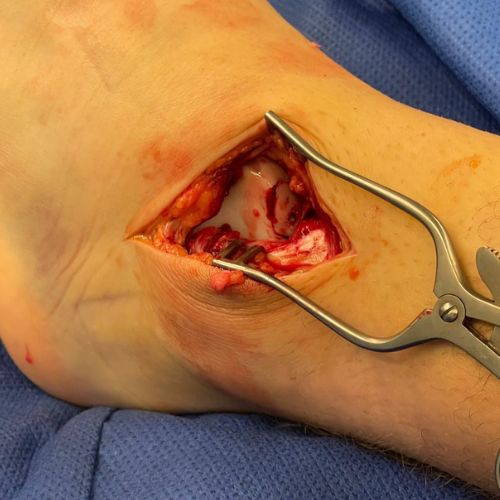
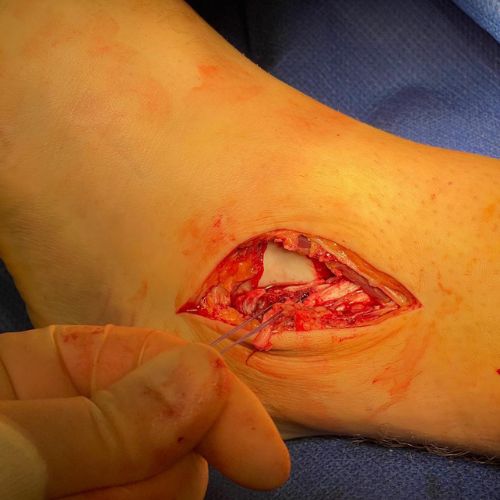
  • 1. Defect preparation and locating the broken fragment.

  • 2. Cartilage fragment removed from the joint space.

  • 3. This is what the corner of the talus ankle bone looks like!

  • 4. Prepared and pinned back into place in the ankle.

  • 5. No more defect, giving back the stability to the ankle.

  • 6. Ligament (ATFL) repair to ensure full stability is returned to the joint. 

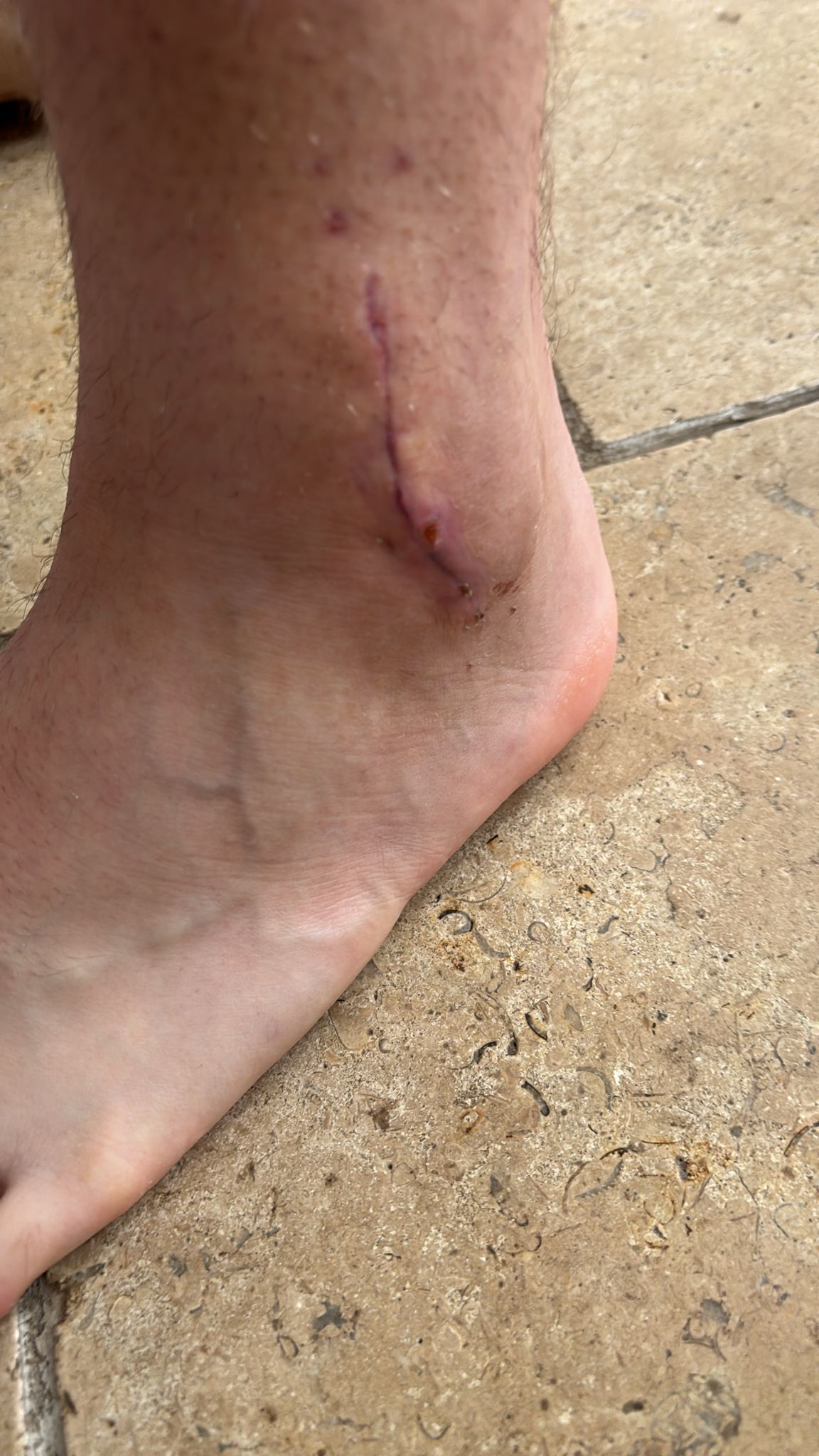
Mark is one of the North East & Yorkshire’s most experienced cartilage repair surgeons and can carry out complex cartilage repairs through a mini-incision like the one we can see here. The importance of this is causing much less damage to the surrounding soft tissue and improves recovery, of course, without compromising the actual repair.  Once completed, Mark will check his ankle through its natural range of motion and that the repair stays in place. 

The recovery

The young gentleman’s recovery has been excellent. The image of his ankle was taken 1 month after surgery, and he has healed very nicely and neatly, one of the advantages of the mini-open techniques.

He is also back to enjoying non-contact sport, training and being active and plans to return to the competitive rugby field soon. As you can see from the video, his father kindly sent us of him enjoying golf 8 months after surgery, he certainly seems to have plenty of strength and flexibility in his ankle.

If you, or a younger member of your family, have injured their foot, ankle or knee, Mark would be delighted to see you at his private clinics in Leeds Nuffield, or Duchy Circle Health, Harrogate. He also works in the NHS at Harrogate District General. 

Contact Mr. Farndon

Continue reading

Infinity Ankle at 10 years

Patient-Specific Guided Instruments for Ankle Replacement

10-year milestone for the Infinity Ankle Replacement 

Ankle Arthritis Affects around 4% of over 50s in the UK

Ankle arthritis can significantly affect your quality of life, making everyday activities challenging and uncomfortable. For many patients, ankle replacement surgery provides an excellent solution. The system I use for Ankle Replacement Surgery is the Infinity Ankle Replacement. It has now reached its 10-year milestone, giving us a great opportunity to reflect on how well it has performed over time.

From my experience, the Infinity Ankle continues to deliver strong results, offering good mobility, stability, and comfort for patients, aligned to the clinical outcomes gathered from multiple users over the last 10 years. Patients often tell me how much their lives have improved, allowing them to enjoy their favourite activities again without pain or significant restriction.

Patient Specific Surgery Guides

One of the key advances enhancing outcomes with the Infinity Ankle is the use of patient-specific instrumentation. This means that each ankle replacement procedure is tailored precisely to the patient’s individual anatomy. Before surgery, we use advanced imaging technology to create personalised surgical guides. These guides help ensure the implant is positioned with remarkable accuracy, optimising the fit, function, and longevity of your new ankle.

Patients frequently ask me if this customised approach really makes a difference. My answer is always yes. A key point to make is that it does not take away the skill of the surgeon operating; the pre-planning process is very involved, and I take full control of this as it is a part of the procedure. The patient-specific instrumentation helps me achieve consistently excellent results by removing some of the surgical complexity on the day, and ensuring the best possible alignment of the implant. Most importantly, it contributes significantly to the long-term success of your ankle replacement.

I’m encouraged by the advancements we’ve made and excited about the future improvements that lie ahead. For anyone considering ankle replacement surgery, understanding how personalised treatment can enhance your outcome is key. As always, my goal remains focused on restoring your mobility and helping you enjoy an active, pain-free life.

Continue reading

Engineering Masters course

Master’s degree in Engineering lecturer covering Ankle Replacment

An enjoyable experience at Leeds University

On the 8th of May, I had the pleasure of delivering a lecture to engineering master’s students at Leeds University as part of their Functional Joint Replacement module. As a foot and ankle surgeon, it’s always rewarding to share practical insights with the next generation of engineers who may soon be designing the implants and technologies we rely on in surgery.

During my talk, we explored the nuances of ankle replacement surgery, focusing on how joint mechanics influence implant design, patient outcomes, and long-term success. I always find it fascinating to discuss the intersection between engineering innovation and surgical practice, especially with students whose fresh perspectives can inspire new approaches to old challenges.

The students were engaged and insightful, posing excellent questions about the complexities of ankle biomechanics and the realities of surgical procedures. It’s reassuring and genuinely exciting, to see their enthusiasm and depth of understanding.

These interactions between surgeons and engineers are crucial. They not only enrich our practice as clinicians but also enhance the quality of life for patients by ensuring that we are continually improving and refining the technologies we use.

Thank you again to Leeds University for inviting me, it was a thoroughly enjoyable and inspiring session.

Contact Mr. Farndon

Continue reading

Partial Knee Expertise

Partial Knee Meeting in Harrogate

Leading expertise in knee joint surgery

Mr Mark Farndon Speaks at National Knee Surgery Event in Harrogate

Earlier this year in May, Mr Mark Farndon was invited to speak at a national knee surgery event held at the Pavilions of Harrogate. The two-day meeting brought together some of the UK’s leading experts in partial knee replacement to share the latest thinking on how to improve outcomes for patients with early to moderate arthritis.

Mark works within the knee team in Harrogate and Leeds. He specialises in knee surgery as well as the foot and ankle expertise he has.  Within the knee, his experience lies particularly in joint-preserving techniques like partial knee replacement, which can offer faster recovery and more natural movement than a full knee replacement when used in the right patients.

The event in Harrogate focused on a specific type of partial knee replacement known as a fixed-bearing UKA (Unicompartmental Knee Arthroplasty), which has been shown to offer excellent long-term results when performed by experienced surgeons. New NHS guidance now supports this option more widely, so the meeting explored how surgeons can offer it safely and effectively.

The Harrogate knee unit, which Mark is part of, is one of the UK’s busiest and most respected knee units. Alongside colleagues Mr Nick London and Mr David Duffy, fixed-bearing partial knee replacements are performed more regularly than in other areas of the UK, and as a group, they have shown excellent results for their patients over a longer period. At the event, expert faculty members, including Mark, shared experiences that helped to develop a better understanding of when this type of surgery is most appropriate, how patient selection plays a key role, and what patients can expect during recovery.

Mark’s technical knowledge and ability to perform state-of-the-art surgeries are exceptional, and passing that expertise on to other UK surgeons in attendance at such events is a real pleasure for him.

If you’re experiencing knee pain, contact Mark Farndon. 

Contact Mr. Farndon

Continue reading

Cartilage Repair at BOFAS 2025

Cartilage Surgery Updates at BOFAS by Mark.

Cartilage Repair with AMIC – February 2025

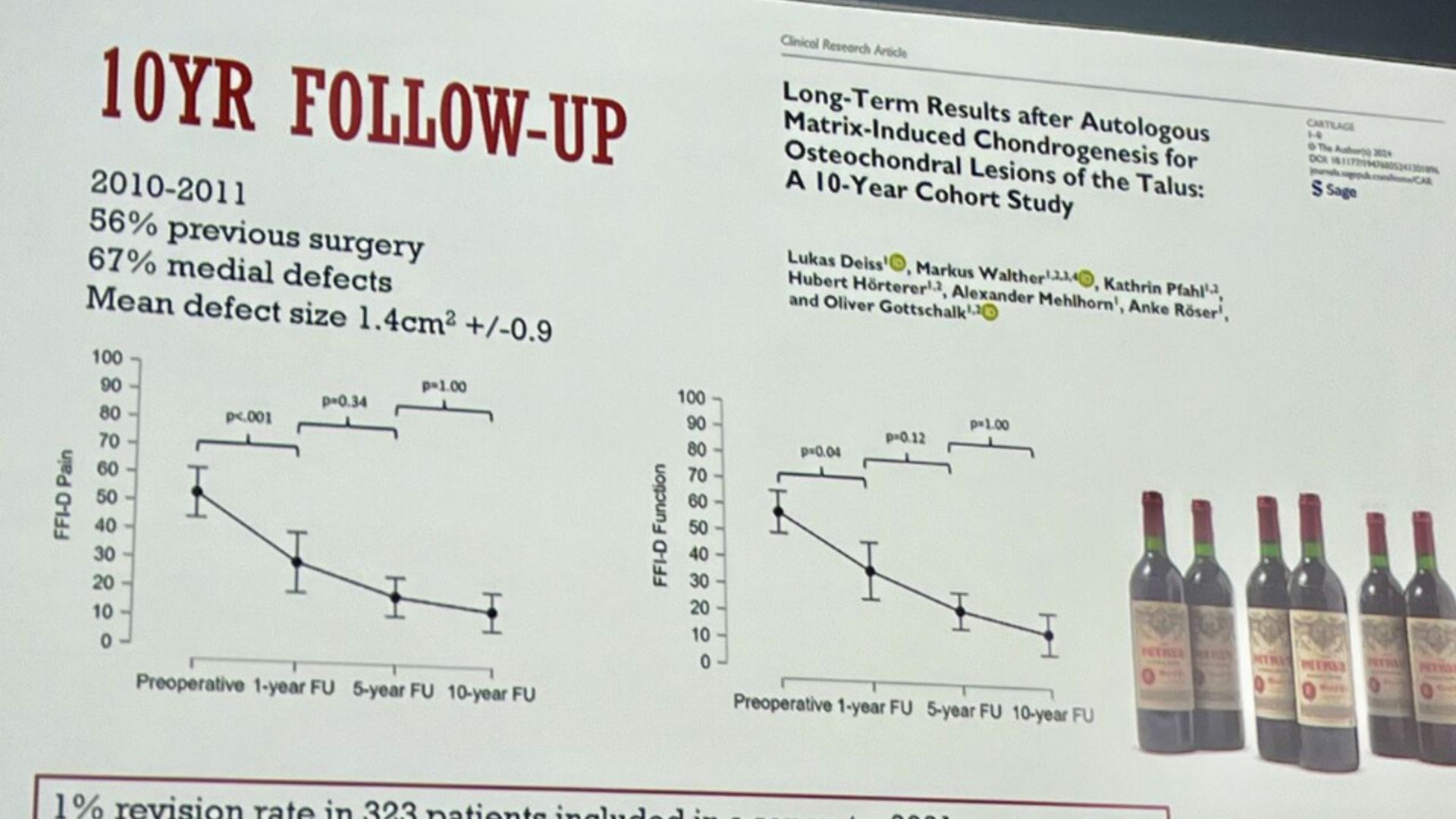
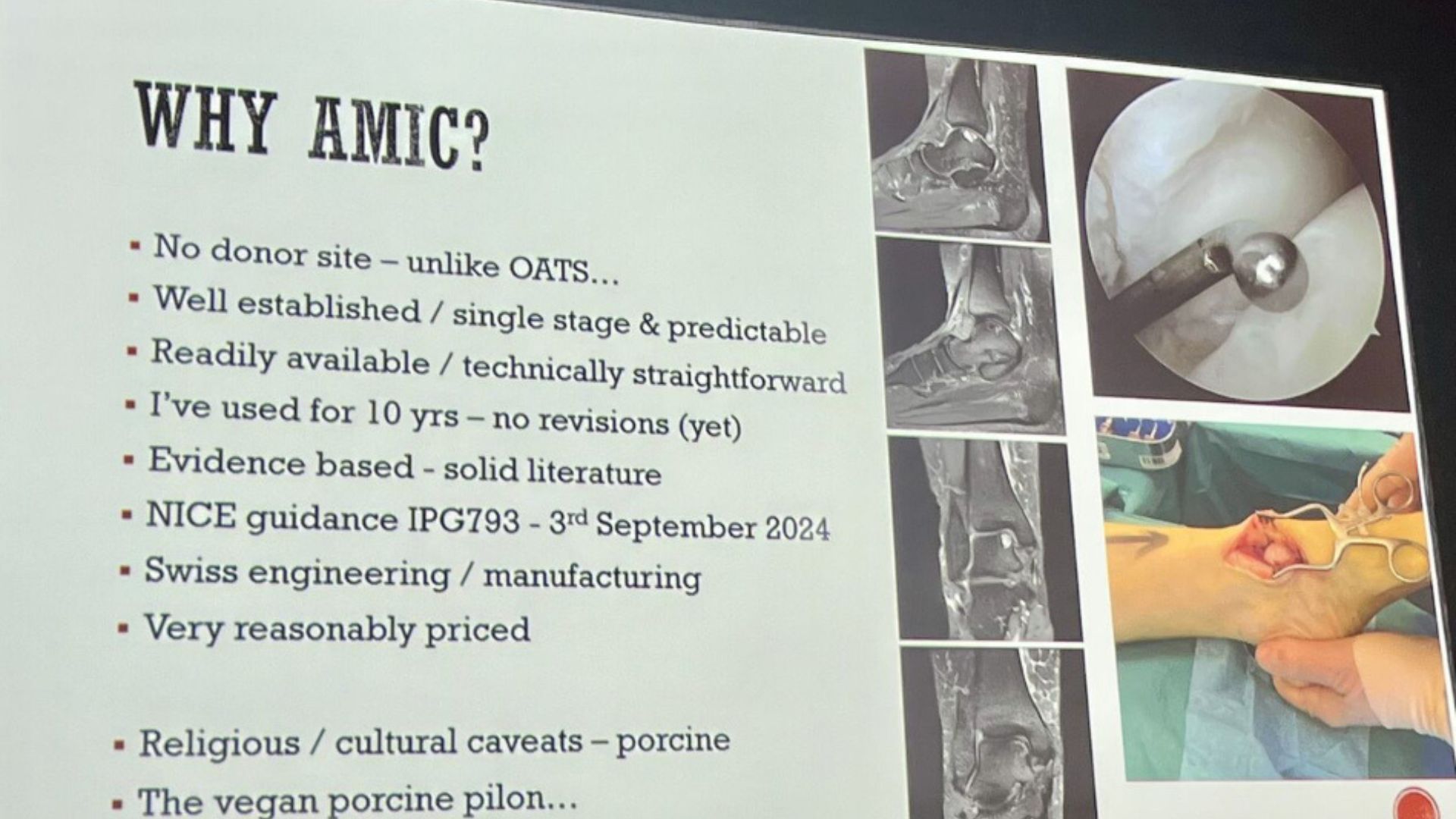
Earlier this year, Mark Farndon, gave a specialist presentation at the BOFAS (British Orthopaedic Foot & Ankle Society) conference, focusing on AMIC (Autologous Matrix-Induced Chondrogenesis) – an advanced technique for repairing damaged cartilage in the ankle.

What is Ankle Cartilage Damage?

Cartilage is the smooth, cushioning surface that lines your joints and allows them to move without pain. In the ankle, the cartilage over the talus bone can be damaged by injuries like sprains, repeated impacts, or even wear over time. When the cartilage is damaged, it doesn’t heal well on its own — this can lead to ongoing pain, swelling, catching sensations, or stiffness in the joint. If left untreated, cartilage damage may eventually progress to ankle arthritis.

How is Cartilage Damage Treated?

Treatment depends on the size, location, and severity of the damage.  When the defect is deeper or persistent, surgical repair becomes necessary to preserve the joint and prevent further damage.

AMIC is an well proven and extensively studied succesful option in these cases. 

AMIC: A Joint-Preserving Cartilage Repair Technique

AMIC stands for Autologous Matrix-Induced Chondrogenesis. It’s a procedure that stimulates the body’s natural healing response to grow new cartilage in the damaged area.

Mark’s talk at BOFAS focused on:

  • When AMIC is most effective – typically for well-defined cartilage defects caused by trauma or instability.
  • How it works – the damaged cartilage is cleaned out, and a collagen membrane is applied over a microfractured bone surface to encourage new cartilage formation.
  • Surgical benefits – AMIC is performed through a small incision or keyhole surgery, meaning reduced surgical trauma and quicker recovery than some traditional procedures.
  • Rehabilitation importance – success relies on careful post-operative rehab to protect the repair and gradually restore movement and strength.

The results Mark presented showed improvements in pain and mobility within his practise, especially for active patients hoping to avoid ankle fusion or replacement surgery.

Could AMIC Help You?

If you’re experiencing long-term ankle pain following an injury, or have been told you have cartilage damage in your ankle, AMIC could be a valuable option to consider. It’s one of several modern techniques that aim to preserve the joint and maintain your long-term mobility.

To find out more or discuss whether AMIC is right for you, get in touch to book a consultation with Mr Farndon

Continue reading