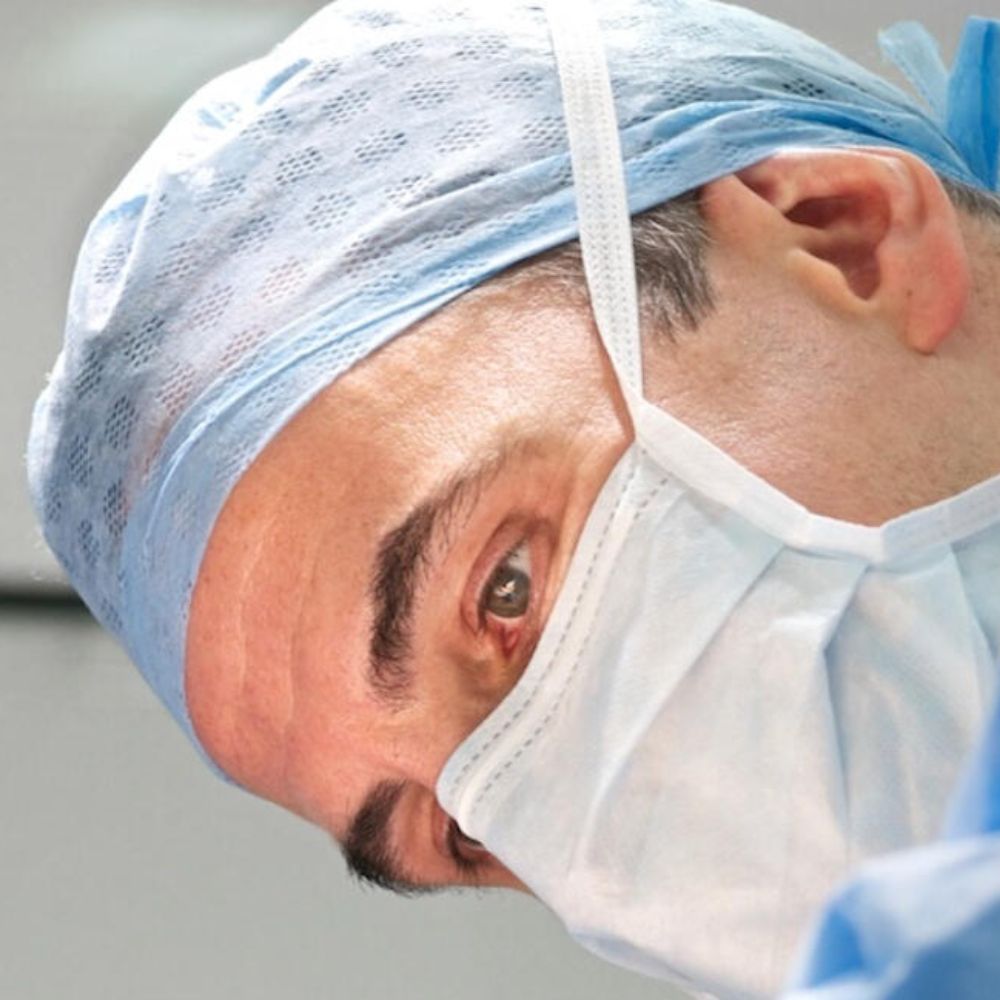
Author: Jim Carr

Outstanding Patient Experience – Reviews

Outstanding Patient Experience 

Reviews by Doctify

Read all reviews on Doctify

We are thrilled to share that Mark Farndon has been awarded the 2025 ‘Outstanding Patient Experience’ badge from Doctify. This recognition is based on verified patient reviews and highlights his commitment to delivering exceptional orthopaedic care.

What Does This Award Mean for Patients?

The ‘Outstanding Patient Experience’ badge is given to healthcare professionals who consistently receive excellent reviews from their patients. It signifies not only medical expertise but also a compassionate, patient-centred approach.

Patients under Mr Farndon’s care regularly mention:

✔️ His clear and honest communication – ensuring every patient understands their diagnosis and treatment options.

✔️ Expert orthopaedic care – specialising in the foot, ankle and knee in Adults and Children, Mark has great experience.

✔️ A supportive and reassuring approach – helping patients feel confident and at ease throughout their journey.

Why Patient Reviews Matter

When choosing a healthcare provider, real patient experiences offer valuable insights. With dozens of verified 5-star reviews, Mark’s commitment to high-quality care is evident. His approach combines clinical excellence with a genuine dedication to patient well-being.

Book a Consultation

If you’re experiencing pain in your foot, ankle and knee, Mark is offering the very best care. Book a consultation with Mark.  It’s simple to make contact and you’ll be in the best hands.

Contact Mr. Farndon

Continue reading

Plantar Fasciitis

Causes, Symptoms, and Management

Plantar Fasciitis

A painful common condition

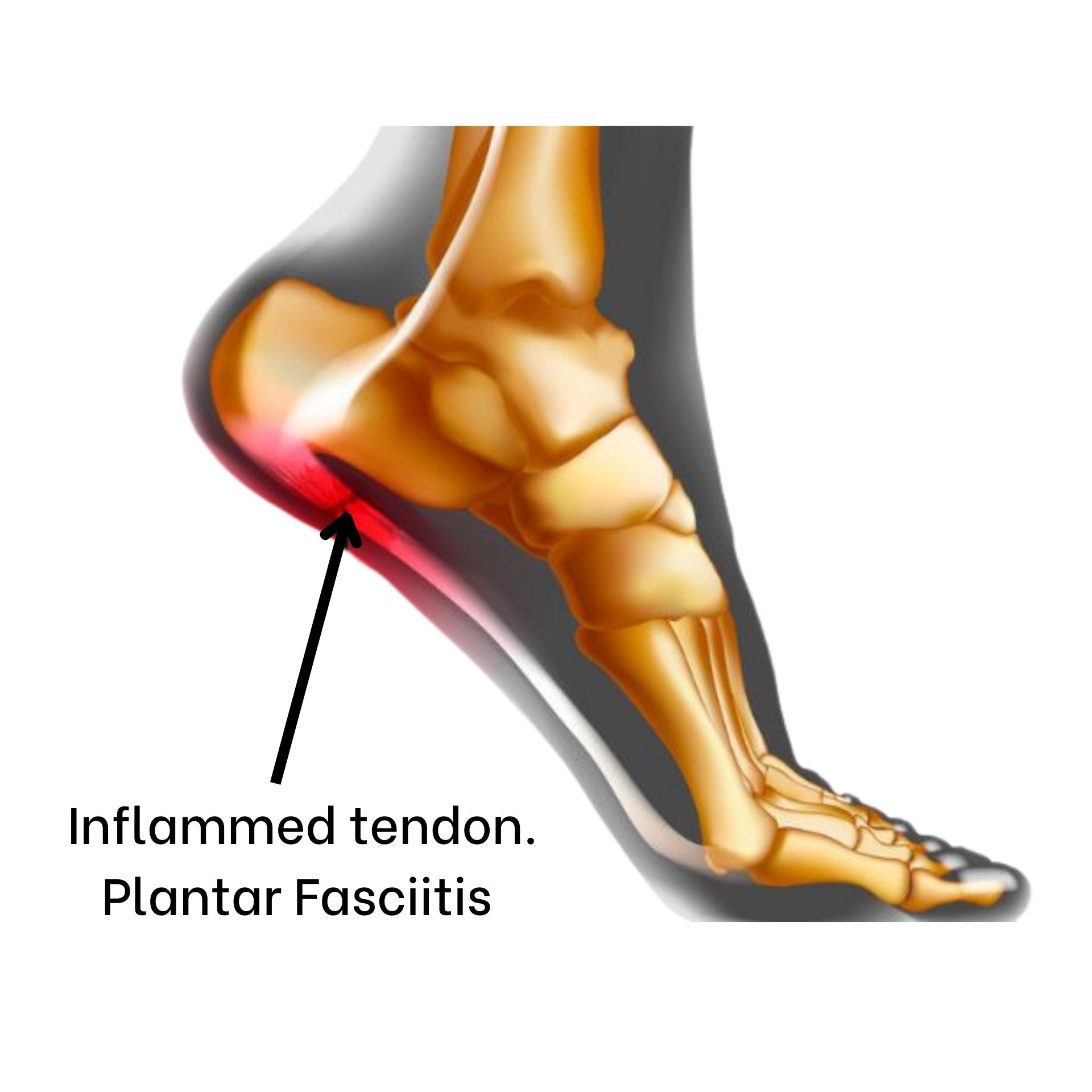
Plantar fasciitis is a common condition that causes pain around the heel and the arch of the foot. It often starts as a sharp or aching pain near the heel bone and can extend towards the base of the toes. Many patients find the discomfort is most intense first thing in the morning or after prolonged periods of inactivity.

This condition is usually the result of poor foot biomechanics, repetitive strain, or overuse, such as from running, walking long distances, or standing for extended periods.

What Is Plantar Fasciitis?

Plantar fasciitis occurs when the plantar fascia—a thick, fibrous band of tissue that runs from the heel bone to the base of the toes—becomes inflamed. This connective tissue supports the arch of your foot, so when it’s irritated or strained, it can lead to significant pain and discomfort.

Symptoms of Plantar Fasciitis

Patients with plantar fasciitis commonly experience:

  • Pain or tenderness in the heel or arch, particularly after rest or inactivity.
  • Morning pain that improves after a few steps but may return after extended activity.
  • Increased discomfort with prolonged walking, standing, or running.
  • Pain while stretching the sole of the foot, such as when climbing stairs or standing on tiptoes.
  • Worsening symptoms when wearing flat, unsupportive shoes or standing for long periods.

Diagnosing Plantar Fasciitis

Most cases of plantar fasciitis can be diagnosed based on your symptoms and a physical examination. Imaging, such as X-rays or ultrasounds, is typically unnecessary unless another underlying issue is suspected.

Self-Management Tips for Plantar Fasciitis

In many cases, plantar fasciitis can be managed at home with simple measures, such as:

  1. Pain Relief
    Over-the-counter painkillers, such as ibuprofen or paracetamol, can help reduce discomfort. Consult your pharmacist if you’re unsure about which medication to take.
  2. Ice Therapy
    Applying an ice pack or a frozen bottle under the heel for 10–15 minutes can help reduce inflammation and ease pain.
  3. Supportive Footwear
    Avoid flat shoes and opt for footwear with proper arch support and cushioning. Insoles or orthotics may also be beneficial.
  4. Gentle Stretching
    Stretching exercises for the calf muscles and the plantar fascia can help relieve tension. Examples include:
    • Towel stretches: Pull a towel towards you with your toes while keeping your heel on the ground. 
    • Rolling a tennis ball under the arch of your foot.

Clinics across Yorkshire, Leeds and Harrogate.

Although typically a non-surgical issue, if pain persists you can arrange to see Mark at one of his clinics across Yorkshire, either Nuffield Leeds or Circle Health Harrogate, where he can advise and offer a formal diagnosis. Mark also works closely with expert physiotherapy teams who can support any treatment and rehab. 

Get in touch if you are suffering any foot, ankle and knee pain. 

Contact Mr. Farndon

Continue reading

Fusion or Replacement

Understanding Your Options for End-stage Ankle Arthritis

Replacement and Ankle Fusion

Fusion or Replacement of the Ankle Joint

Chronic ankle pain can be a life-altering issue, especially if it’s due to arthritis or injury. Whether it’s difficulty walking, standing for long periods, or simply discomfort with everyday activities, it’s important to know that you have options. Mark sees many patients in his Harrogate and Leeds clinics from all over Yorkshire and indeed the UK with severe ankle problems.  It’s important that following a welcoming discussion in the clinic and further diagnosis of the issues, both total ankle replacement and ankle fusion surgeries are understood and discussed. 

Both treatments have their merits, and while one isn’t necessarily better than the other, deciding which is best for you depends on your specific situation. Here are some of the key differences between these two procedures.

Total Ankle Replacement (TAR)?

Total ankle replacement is a surgical procedure where the damaged ankle joint is replaced with a prosthetic implant, mimicking the natural motion of your ankle. It’s usually recommended for patients with advanced ankle arthritis, where the cartilage has worn away, and the bones are rubbing together on either side of the joint, causing pain, swelling, and limiting movement.

The benefit of TAR is that it allows the patient to maintain a full range of ankle movement, which can be important for maintaining a natural gait. 

One advancement that’s improved the precision of this surgery is the Prophecy system, a patient-specific technology that uses preoperative CT scans to create 3D models of the ankle. This helps ensure the implant is placed as accurately as possible, improving overall alignment and potentially reducing recovery time. Think of it as a custom-fit solution for your ankle. Every anatomy is different, and Prophecy takes this into account every time. Mark has many years of experience with more traditional methods of TAR surgery, and now combines that experience with the Prophecy system to give his patients the very best TAR surgery possible. 

What Is Ankle Fusion?

Ankle fusion involves removing the worn-out joint surfaces and permanently joining the bones together. While this means losing the joint’s flexibility at the fusion site,  fusion provides long-term pain relief for patients with severely damaged or unstable joints.

The main advantage of ankle fusion is that it’s a reliable and durable solution, especially for patients with deformities or weakened bones, where maintaining joint movement might not be the best option. Once fused, the ankle won’t move at that point, but it will be stable and pain-free for the long haul, which can be especially important for individuals with significant joint damage or severe arthritis.

Which Is the Right Choice?

Choosing between total ankle replacement and ankle fusion isn’t a matter of one being better than the other; it’s about what’s right for you.

  • If maintaining ankle motion is important to your daily life and you’re still relatively active, total ankle replacement might offer the best outcome. It’s a great option for those looking to preserve movement while still addressing pain and instability.
  • On the other hand, if your ankle is severely deformed or you have lower bone quality, ankle fusion may be more appropriate. It eliminates pain and stabilises the joint, which can offer a better long-term solution for some patients.

This is a conversation Mark has with each patient to determine what’s best based on your specific anatomy, lifestyle, and the extent of the joint damage. Both procedures have a place in modern orthopaedics, and the goal is always to ensure the option chosen will give you the best quality of life moving forward.

What to Expect After Surgery

The recovery process will depend on which procedure you undergo. After total ankle replacement, patients usually start walking with support (crutches or a walker) within a few weeks, followed by physical therapy to restore strength and flexibility in the joint. The Prophecy system can help reduce recovery time in some cases, but as with any surgery, patience and following your post-op care plan are key.

With ankle fusion, recovery may be slightly longer, especially as the bones take time to heal and fully fuse together. You can expect to be off your feet for a period, but once the bones are fused, the pain relief is typically long-lasting, and the stability provided by fusion is excellent.

It’s About Finding What’s Best for You

In the end, whether you choose total ankle replacement or ankle fusion, the most important factor is finding the right solution for your needs. Both procedures can provide significant relief from pain and restore function, but they address different aspects of joint damage. Contact Mark to make an appointment in his clinic, where is can discuss the options in more detail.
Contact Mr. Farndon

Continue reading

Talus Cartilage Damage

Repairing Ankle Cartilage

A leading specialist in ankle cartilage surgery and repair techniques

Contact Mr. Farndon

Mark Farndon: Leading the Way in Advanced Cartilage Repair Surgery

If you’ve ever experienced a cartilage injury in your ankle, you know how debilitating it can be. Persistent pain, swelling, and restricted movement can make even the simplest of activities a challenge. Fortunately, advancements in surgical techniques offer real hope for patients suffering from cartilage damage. Once thought to be a largely irreparable part of our joints, techniques developed and used by specialists like Mark show us that with the right biology, gaining back healthy cartilage in place of a defect or damage is very possible. Mark has developed an incredibly well-respected reputation and busy practice within this specific area of foot and ankle surgery in Yorkshire.

The talus, a key bone in the ankle joint can be susceptible to traumatic cartilage damage and lesions. Mark utilises cutting-edge techniques such as Chondro-Gide and NanoFX to repair damaged cartilage and restore function to the ankle. But what sets him apart is his expertise in a technique known as AMIC (Autologous Matrix-Induced Chondrogenesis), combined with his ‘mini-open’ approach to the ankle joint.  Surgically, this is revolutionising the way cartilage injuries are treated.

What is AMIC and How Does it Work?

The AMIC technique is a minimally invasive approach to repairing cartilage defects. In simple terms, it involves stimulating the body’s natural healing processes to regenerate new cartilage where it has been damaged. To achieve this, Mark uses a combination of innovative tools and materials that have superb clinical experiences and data worldwide. 

Chondro-Gide, a collagen-based membrane, is used to cover the damaged area of the cartilage, providing a scaffold for new cartilage cells to grow. This is combined with NanoFX, a technology that creates tiny microfractures in the bone beneath the cartilage, encouraging the body to produce new cells and repair the defect.  NanoFX, unlike more traditional techniques in this area, protects the top layer of bone while making tiny channels which promote the cells to the surface. This is an important part of the surgery as when the new cartilage is formed, the bone underneath is still in perfect condition and strong, while still being very effective to provide the cells to the scaffold. 

A Minimally Invasive Approach

One of the most remarkable aspects of Mark’s work is his ability to perform this surgery through a ‘mini open’ technique. Unlike more traditional methods that require larger incisions or cutting through other bones like the fibula to access the cartilage, this approach involves making a small incision and using specialised retractors to carefully navigate around the joint.

By avoiding a fibula osteotomy (cutting through the fibula bone), this technique not only speeds up recovery time but also reduces post-operative pain and the risk of complications. Patients can look forward to a less invasive surgery with quicker rehabilitation, allowing them to get back to their daily lives faster.

Teaching other Foot and Ankle Specialist Surgeons

As a leader in his field, Mark doesn’t just treat patients – he also shares his expertise with other surgeons internationally. He regularly teaches other foot and ankle specialists how to perform the AMIC procedure using the ‘mini open’ technique. His commitment to advancing surgical care ensures that more patients can benefit from these cutting-edge techniques in the future.

Is Cartilage Repair Surgery Right for You?

If you’re suffering from cartilage damage in your ankle, you may be wondering if this type of surgery is right for you. Every patient’s condition is unique, and a thorough consultation with Mark can help determine the best treatment plan for your needs.

Cartilage repair surgery using Chondro-Gide and NanoFX offers a promising solution for many patients, especially those looking for a less invasive procedure with a faster recovery. Mark’s expertise and dedication to his craft make him a trusted choice for patients across Yorkshire.

In Conclusion

Cartilage damage doesn’t have to mean a life of pain and restricted mobility. With advancements in surgery and experts like Mark leading the way, there are more options than ever to help you regain your quality of life. If you’re considering cartilage repair surgery or want to learn more, book a consultation with Mark Farndon today.

Contact Mr. Farndon

Continue reading

sports injuries in young people

Foot & Ankle Sports Injuries in Teenagers – Alex’s Story

We look at understanding the significance of sports injuries in young people – read more about Alex, an 18-year-old keen amateur footballer.

A write-up originally from Nuffield Health about Mark’s care of Alex North 

For budding young athletes who get injured whilst participating in sports activities, it is important to know when they can get back to full function and how long it might take.

For Alex North, an 18-year-old keen amateur footballer, it was particularly significant; he would have struggled to get back to full function without an intervention from Nuffield Health Leeds Hospital. 

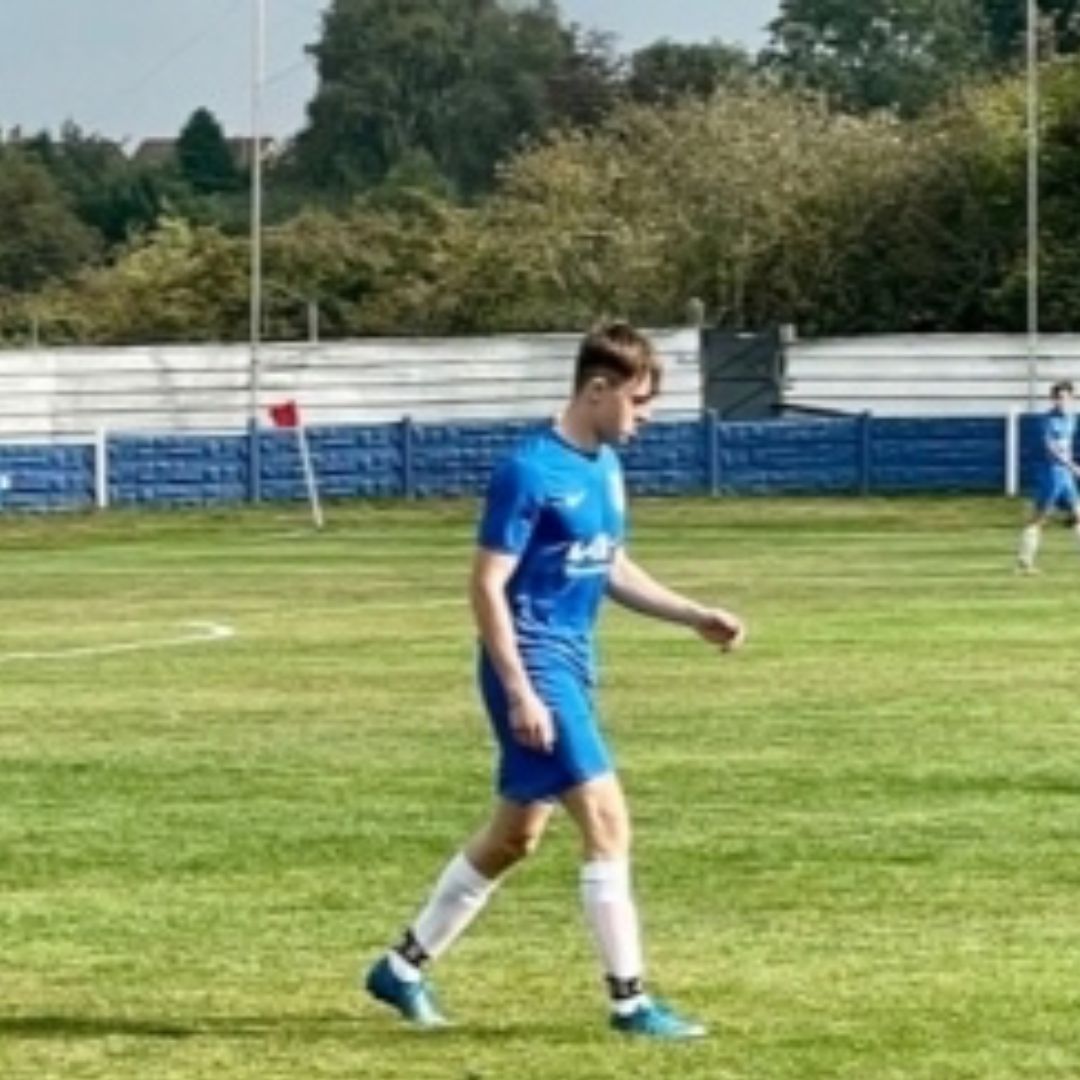
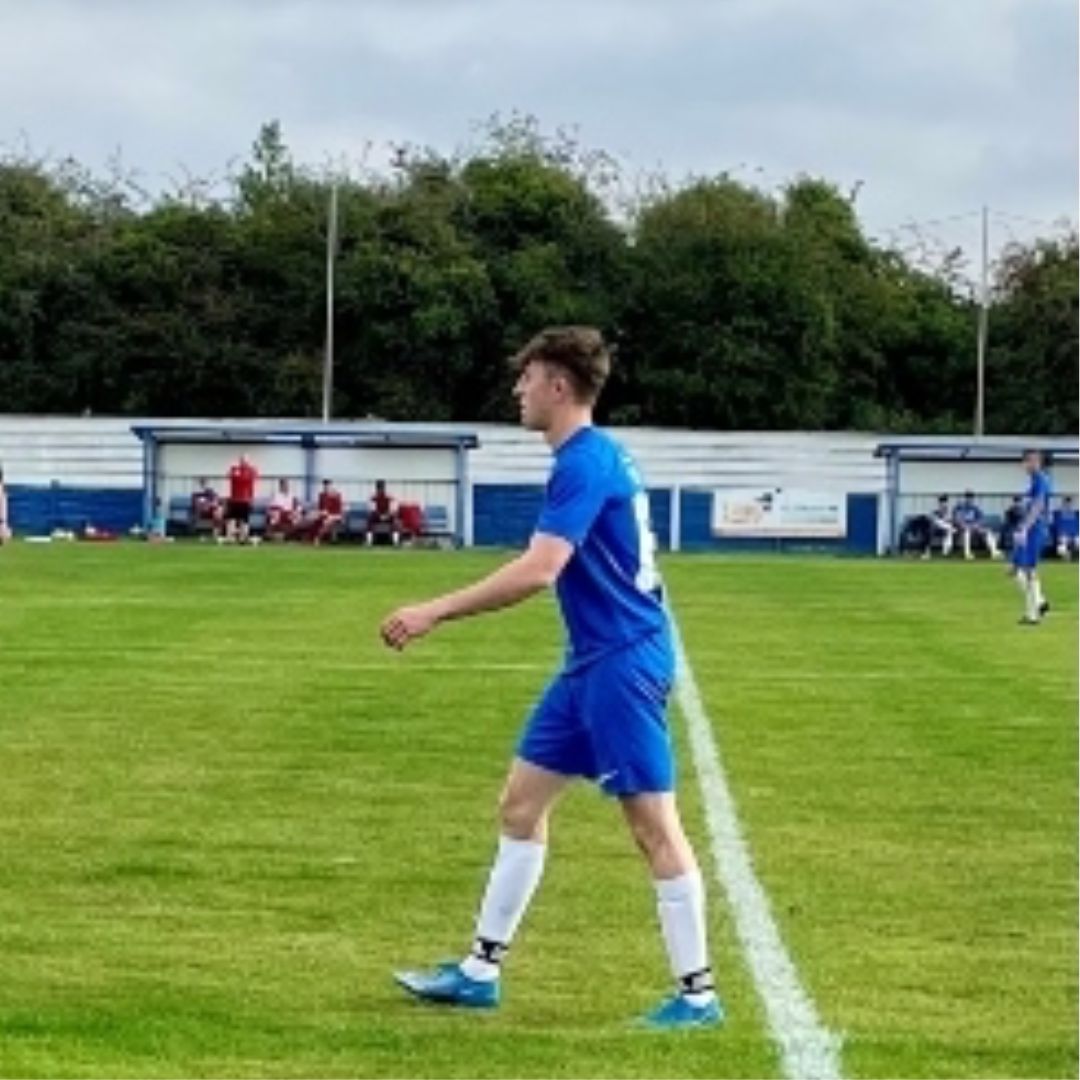
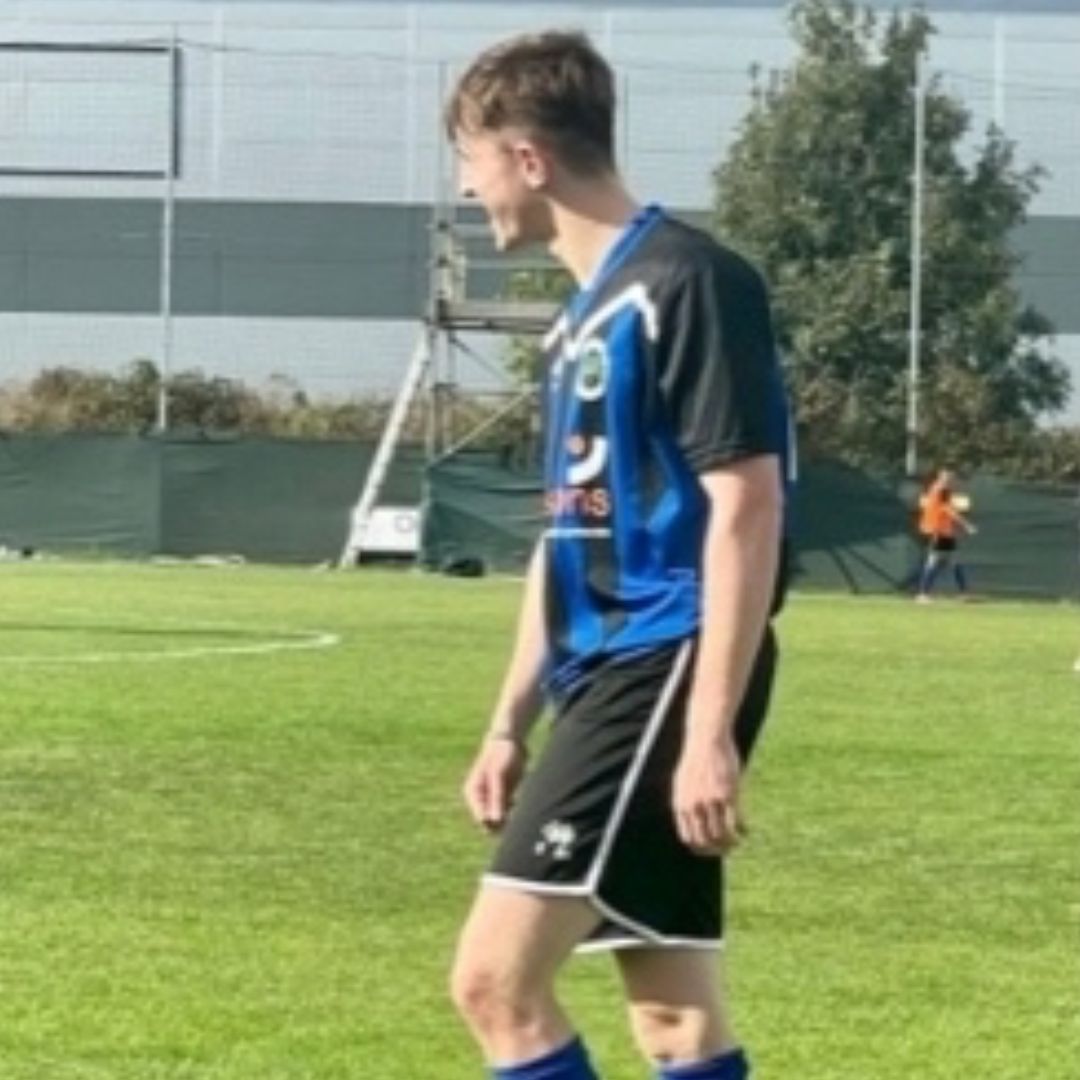
Alex has been playing since he was six years old, and this Sherwood Colliery FC centre forward was no stranger to football injuries. As he progressed from the junior and senior teams, he was prone to suffering from foot and ankle pain.

However, the injury that Alex suffered two years ago was uncommon and unusual, hence he ended up being treated at the Nuffield Health Leeds Hospital.

Although a first team player, Alex had been drafted to play for the reserves and it was during a match he suffered an unfortunate tackle on the inside of his foot. As tackles go, it wasn’t particularly bad, it was the position of the impact, on the inside of his left ankle that caused the unusual injury. 

In pain and with considerable swelling that didn’t seem to subside, Alex’s father, Steve, made an appointment with ex-Mansfield Town FC physiotherapist, Barry Statham.

Steve North says: “Obviously as a football physiotherapist, Barry knew quite a bit about the game and sports injuries, he helped Alex two years prior to this accident when he broke his pelvis.

“Having examined the foot, he initially thought to give it a couple of weeks of treatment and see how it goes but something worried him, and he suggested Alex go to a hospital in Nottingham for an MRI scan. 

“The results showed there was an entire range of issues around the deltoid and spring ligaments that were affecting the stability of Alex’s foot.” 

Although many / most sports injuries in young athletes will heal if treated correctly and generally do not lead to further problems, it was clear in Alex’s situation that an intervention was likely to be needed. 

It was at this point, because of Alex’s previous foot injuries, the North family were advised to meet with Mr Mark Farndon, who had in the past, taught on emergency medical courses for the Football Association and looks after players from many local football teams including Leeds United. 

Nuffield Health Leeds Hospital is also one of very few independent hospitals in the north that can treat children and adolescents and it is easily accessible for patients to travel from across the north and Midlands.

“The unusual thing in Alex’s case was the severity of the injury to the deltoid and spring ligaments, situated on the inside of the ankle.”

“Ankle sprains are very common. When most people hurt their ankle this usually involves injuring the ligaments on the lateral (outer) side and in the vast majority of cases usually settles really well. Nearly everybody in the country will have experienced this type of injury at some stage in their life,” Mr Farndon said. 

“It is relatively uncommon however to injure the deltoid on the inner side of the ankle to the extent that it ruptures. This generally doesn’t need to be treated surgically unless there is a complete rupture. If it extends to involve the spring ligament below, which contributes significantly to stabilising the arch of the foot, patients can develop a flat foot quite quickly if unrecognised / untreated.”

Steve North says: “Mr Farndon was superb. He spent time talking and listening to Alex, gathering information on how the injury occurred, how he had been before the injury and since.”

“This was all before he touched or examined the ankle. He sat for 10 minutes looking intensely at the X-rays not saying anything. He was really focused looking at the absolute detail before he was prepared to say what he thought he should do.”

“It was clear there was too much play and not enough support in Alex’s foot, and it was at this point Mark told me to look at it. As Alex stood up, I could clearly see his left ankle was sagging to one side.”

If Alex were to get back to football as soon as possible then an operation was needed.

Picking up the story, Mr Farndon explains: “Rather than having normal alignment, the foot becomes quite flat very quickly. It is uncommon and in Alex’s case credit must go to Barry, his physiotherapist, that he was worried about the significance of the injury and picked it up quickly. 

“It would be unusual for someone in Alex’s age group for the rupture to be treated without surgery, so we imaged the ankle and the MRI scan confirmed what I suspected.”

The next step was to stress test and examine the injury whilst Alex was asleep under anaesthetic. Mr Farndon put the ankle through its paces on the agreement that if he felt absolutely convinced it was going to be unstable, he would repair it. 

The process proved to be quick and successful. Alex North had his initial consultation in December and the day surgery in January. He then wore a surgical boot for six weeks and by March was playing football again this time for South Normanton FC.

Steve North comments: “What I liked about Mr Farndon was his ability to listen and gather information. His interpersonal skills are immaculate. He chatted with Alex in one way and discussed his findings with me in a separate way. He knew how to communicate at various levels. 

“He put everything in remarkably simple terms so I could understand and get my head around the procedure. He also took a real interest in Alex’s A Level studies and recommended a medical summer school that Alex might attend. 

Alex has now applied to read for a Chemical Engineering degree at Manchester University, and if successful, intends to continue with his football career representing his university. That is amazing and his current projected grades for Maths, Chemistry, and Biology are A, A, and A**.

For the North family, the process was daunting as the country was emerging from lockdown, but they had confidence with Nuffield Health Leeds Hospital because the clarity of information was so good. “We were also impressed with how the medical teams led the surgery during the pandemic. We felt safe and secure. 

“Nothing was rushed, everything was done at our pace. Even the nurse who came into fit him for his crutches and only left when Alex was 100% happy with the fitting. 

Consultants are highly intelligent and brilliant at what they do. However, the ‘soft skills’ are vital and the ability to communicate, show empathy and listen are so important and Mark has these skills in abundance. 

“I was confident in the entire process because of the ability to listen, make connections, empathise, and pitch scenarios at the right level. 

“I would highly recommend Mr Mark Farndon and Nuffield Health Leeds Hospital.”

Contact Mr. Farndon

Continue reading

Cutting edge course

The Foot and Ankle Cutting Edge Course

An Arthrolab course with Arthex, covering cutting edge technologies for orthopaedic consultants.  May 22nd and 23rd 2024

Mark was delighted to once again support Arthrex in an educational event with peer-to-peer training for their cutting-edge technologies. The course looked at the latest developments in elective and traumatic soft tissue repair. Teaching during these events is something Mark enjoys and of course, when appropriate attends new and interesting courses to further develop his own broad base as well. 

You can learn more about this particular meeting here:

Artholab Event details

If you are experiencing foot and ankle pain and would like to make an appointment Marks clinic, please do get in touch. 

Contact Mr. Farndon

Continue reading

Arthrex OTIF foot and ankle

Arthrex, Orthopaedic Technology & Innovatoin Forum – Foot and Ankle 2023.

Thursday, June 22 – Friday, June 23, 2023. Ziegelei, Münchner Straße. 

Arthrex is a global leader in orthopedic surgical device design, research, manufacturing, and medical education with one mission: ‘Helping Surgeons Treat Their Patients Better™’.

Arthrex develops and releases more than 2,000 new products annually to advance minimally invasive orthopedics worldwide, so education is a key part of working with them. 

In Mark’s day-to-day surgical practice he utilizes many of the Arthrex techniques and over the years has built up a great deal of experience.  It’s always a great experience to share knowledge and experience on their courses. 

Mark joined a fantastic faculty at their Orthopaedic Technology and Innovation Forum in 2023, the event specialized in Foot and Ankle technologies and techniques. 

You can read more about the event on the Arthrex website, by pressing the button below.

OTIF event

Are you experiencing pain in the foot and ankle joints? The techniques and devices Mark commonly uses from Arthrex offer the very best in soft tissue surgical repair. Get in touch to arrange an appointment with Mark if you are experiencing foot and ankle pain.

Contact Mr. Farndon

Continue reading

Harrogate Partial Knee Meeting

Education, Learning and Teaching at the Harrogate Partial Knee Meeting

The inaugural Harrogate Partial Knee Meeting (PKM) – A great day to be involved in education, with friends and colleagues.

Harrogate has built a reputation as a world class surgical centre for partial knee replacement. With some of my peers and colleagues developing and perfecting the often technically demanding technique of performing a ‘partial’ or ‘uni-compartmental’ knee replacement.

This event was the culmination of years of work and surgical expertise from our knee specialist team, and it’s an honour to have been involved in sharing that knowledge during such an exciting forum.

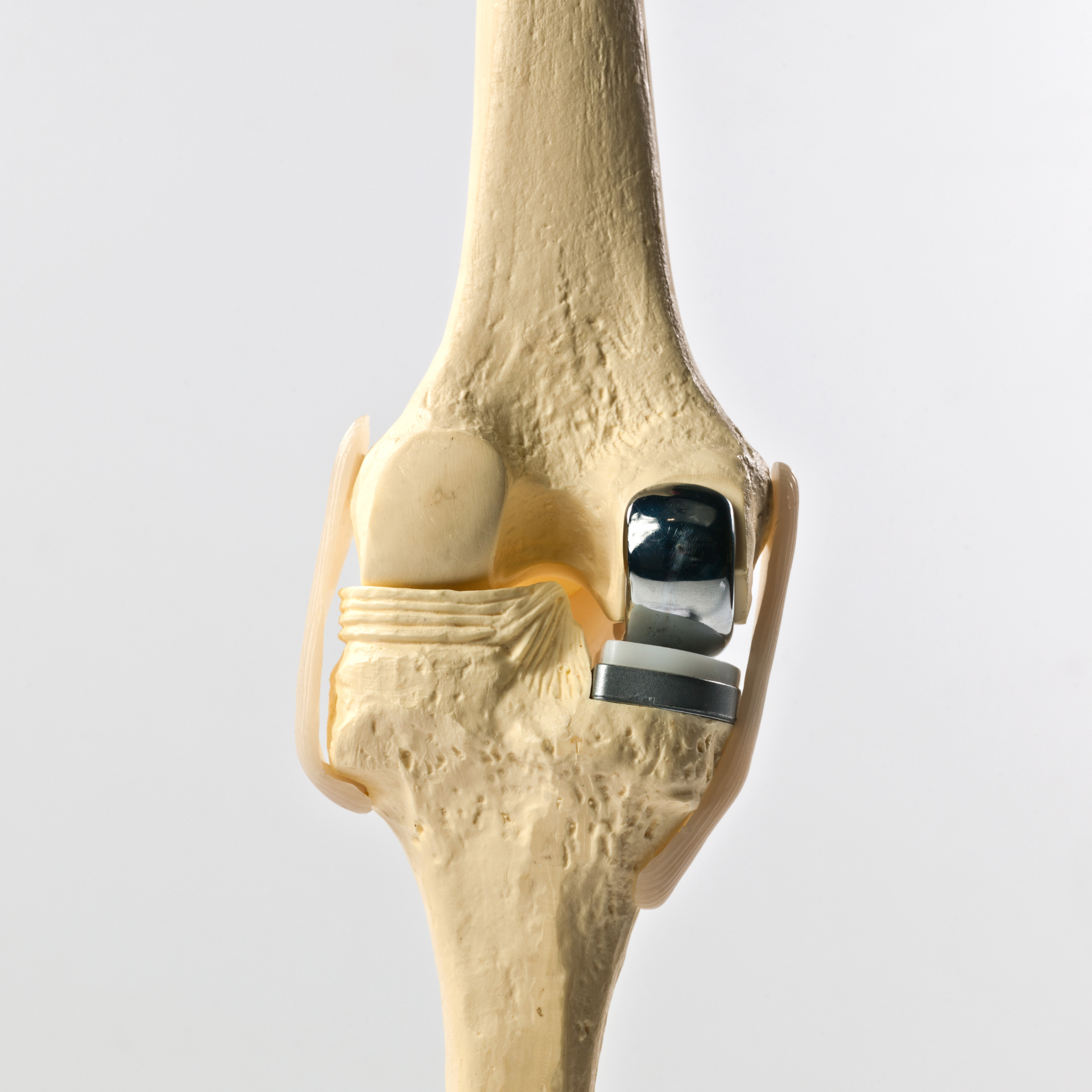
A partial knee

A partial knee replacement is a key strategy in joint preservation, it allows half of the knee to be replaced in a fashion similar to a total knee replacement, but while preserving the natural healthy side of the knee.

In knee osteoarthritis, the cartilage protecting the bones of the knee slowly wears away. This can occur throughout the knee joint or just in a single area of the knee.

The knee is divided into three major compartments:

  • Medial compartment (the inside part of the knee)

  • Lateral compartment (the outside part of the knee)
  • Patellofemoral compartment (the front of the knee between the kneecap and thighbone)

As the bone, cartilage, and ligaments in the healthy parts of the knee are preserved, many patients report that a uni-compartmental knee replacement feels more natural than a total knee replacement. A uni-compartmental knee may also allow you to maintain a greater range of motion.

Here are quick explanations about a partial knee replacement and a total knee replacement.

“> “>

If you’ve been experiencing knee pain, don’t hesitate to get in touch. Being able to assess you as early as possible once arthritis starts to spread through your joint allows us more options like a partial knee to help preserve as much of your joint as possible. Joint preservation is always the goal. 

Contact Mr. Farndon

Continue reading

Working with Sports Clubs

From the operating theatres to the sports field

Supporting some of Yorkshires finest sports clubs

As a surgeon, the operating room is Mark’s domain, where precision and expertise are paramount. In the orthopaedic clinic, his experience over the years has allowed him to quickly and confidently assess his patients and put a trusted plan in place for them. Mark describes his experiences on Yorkshire’s sports fields as being both exhilarating and rewarding in a different way,  filled with challenges and triumphs that extend beyond the confines of the operating theater.

Leeds, Harrogate, York, and surrounding Yorkshire areas.

Mark works with a number of elite sports clubs in Yorkshire and beyond, with players and members reaching international representation. The support Mark brings to the dynamic environment of the sports field requires adaptability and a unique set of skills.

In general, although supporting sports clubs directly in this way has the same fundamentals of general medicine, the context shifts dramatically. Working closely with an expert team of physiotherapists, clinical judgment, and hands-on assessment to address injuries and ensure the well-being of athletes in real time, creates a new dimension to patient care.

Being part of a sports team goes beyond providing medical care – it’s about building trust and rapport with athletes, coaches, and support staff. Establishing strong relationships fosters open communication, allowing Mark to gain valuable insights into each athlete’s unique needs and concerns. This trust is the foundation upon which effective medical care is built, enabling athletes to feel confident and supported in their pursuit of excellence.

Embracing and dealing with injuries.

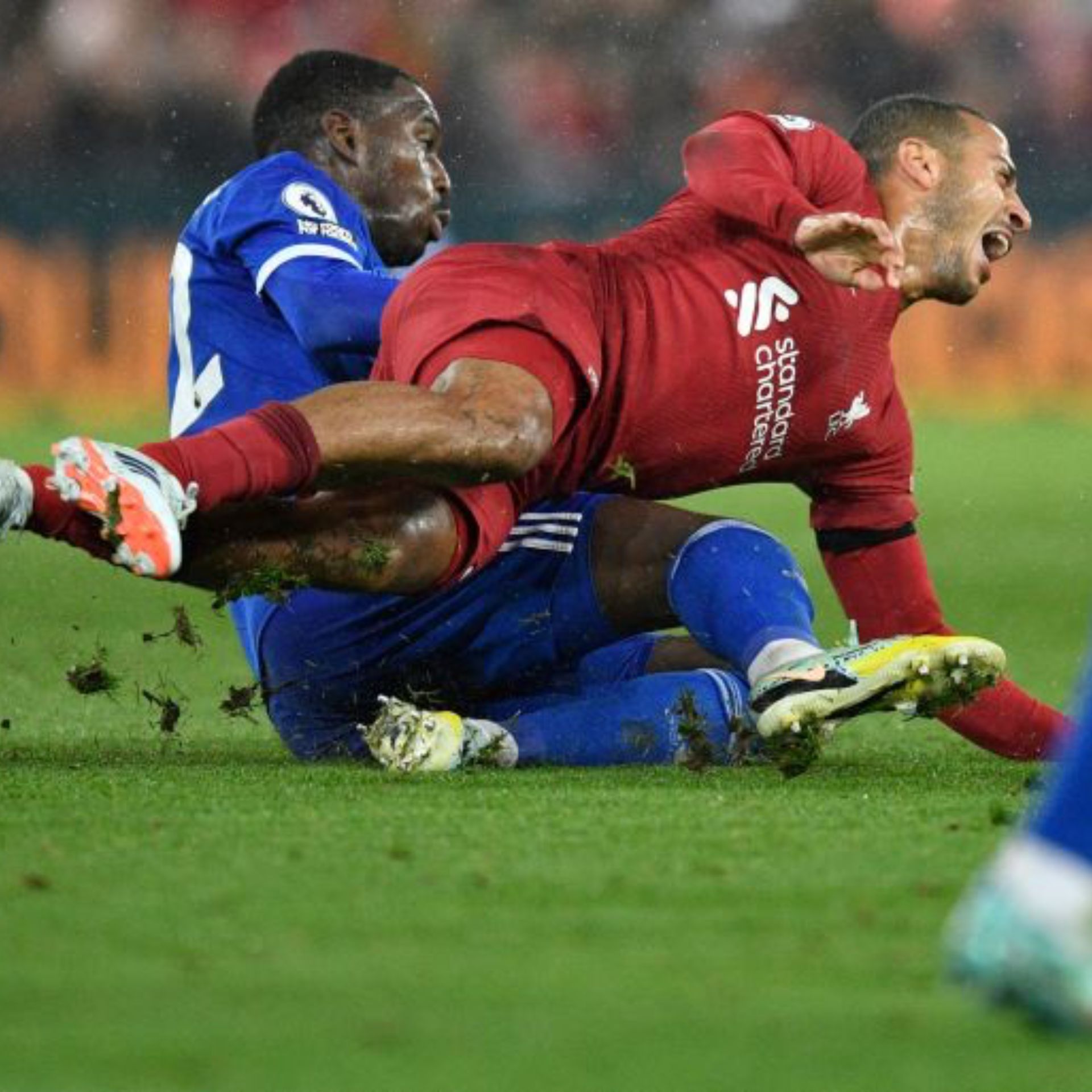
Sports can create a unique set of injuries, ranging from the common to the complex. As a surgeon, Mark has encountered everything from ligament tears and fractures to overuse injuries and of course the hot topic in sport of concussions. Each presents its own set of challenges, requiring a nuanced approach to diagnosis, treatment, and rehabilitation. Through ongoing education and collaboration with sports medicine specialists, Mark continuously expands his knowledge and skills to better serve the athletes under his care.  This adds an obvious beneficial part to his overall general practice in his private and NHS clinics. 

Contact Mark

If you’re an athlete in a high-performance arena or part of a weekend amateur sports team simply staying fit and active, Mark’s expertise in sports injuries is exceptional.  He teaches some of his techniques on a national and international stage but is always available to schedule a consultation for patients in the Leeds, Harrogate, and Yorkshire areas.

Contact Mark

Contact Mark

If you’re an athlete in a high-performance arena or part of a weekend amateur sports team simply staying fit and active, Mark’s expertise in sports injuries is exceptional.  He teaches some of his techniques on a national and international stage but is always available to schedule a consultation for patients in the Leeds, Harrogate, and Yorkshire areas.

Contact Mark

Continue reading

Harrogate Duchy Rating Good

Harrogate hospital says it is ‘incredibly rewarding’ to win ‘Good rating for patient care’ in such challenging times

Circle Health Groups’ Harrogate Duchy Hospital said it feels “incredibly rewarding to be recognised” after receiving a Good rating by inspectors.

I’m extremely proud and it’s a privilege to serve the area and community of Harrogate, Leeds and Yorkshire.  The support of the hospital teams from my Harrogate NHS practise, Leeds Nuffield and Harrogate Duchy hospital has always been greatly appreciated. 

I am delighted all the continued hard work at the Harrogate Duchy has resulted in a ‘Good’ rating for patient care. 

Having been praised for the way the staff involved patients and families throughout their treatment, I know how delighted they are to be recognised at this highest level by The independent regulator for the Care and Quality Commission (CQC).

The national healthcare watchdog described the 27-bedroom hospital in Harrogate as Good in all five domains with safe, effective and well-led services. In addition, the CQC noted that staff at the Harrogate hospital located on Queens Road treated patients with compassion and kindness, respecting their privacy and dignity.

Michelle Eardley, Executive Director of The Duchy Hospital, said:

“We are delighted to have been rated Good following our inspection by the CQC.

“It’s a great reflection on the hard work and dedication of our staff across the hospital.

“This is a challenging time for people working in healthcare and to have had our culture and delivery of care recognised as making a difference to the patients we care for is incredibly rewarding.”

The CQC regulates private hospitals to same level as NHS hospitals, looking at how well providers perform in five ‘domains’ from patient safety to overall hospital management.

The report, published in February also highlighted a strong culture of openness and a commitment to solving issues in a collaborative and proactive way.

Following the introduction of the Circle Health Group philosophy in July 2021, staff at the North Yorkshire hospital were pleased to see their efforts to embrace this new culture recognised.

Michelle added, that the improved rating by inspectors would ensure that patients, whether from the NHS, paying for themselves or supported by insurance, would feel confident choosing The Duchy Hospital for their care.

Congratulations again to Harrogate Duchy, part of the Circle Group. I am delighted to work with such a professional group of healthcare providers. 

You can learn more about the Duchy Hospital here:

Harrogate Duchy

You can visit me at my clinic in Harrogate Duchy, or indeed at Leeds Nuffield. 

Contact Mr. Farndon

Continue reading